How to Choose the Right Preschool in Kathmandu
Learn how to choose the right preschool in Kathmandu by comparing curriculum, teachers, safety, play-based learning, facilities, and fees.

Early Genius
Choosing the right preschool is an important decision for every parent. A good preschool provides a safe, caring, and supportive environment where children can learn, play, make friends, and develop essential skills. For families in Kathmandu, finding the right school means looking beyond location and fees to understand the curriculum, teachers, classroom environment, and learning activities.
When searching for a Preschool in Kathmandu, parents should consider how the school supports their child's early development and prepares them for future learning. This guide explains the important factors to check before making a decision.
1. Look for a Safe and Child-Friendly Environment
Safety should be one of the first things parents check when visiting a preschool. Young children need an environment where they can explore, play, and learn under proper supervision.
Check whether the classrooms are clean, the furniture is suitable for young children, and the indoor and outdoor play areas are safe. Ask about emergency procedures, visitor access, and child pickup policies.
A welcoming classroom can also help children feel comfortable when starting school for the first time. Look for an environment where children are encouraged to participate, explore, and express themselves.
2. Check the Preschool Curriculum
The curriculum plays an important role in a child's early learning experience. Before choosing a preschool, understand what children will learn and how lessons are delivered.
A suitable early childhood curriculum should support language development, early mathematics, creativity, physical development, social skills, and emotional growth. Learning activities should be appropriate for children's ages and developmental stages.
Parents looking for a Preschool in Kathmandu should ask how the school balances structured learning with play, storytelling, music, art, and hands-on activities. These experiences can make learning more engaging and help children develop a positive attitude toward education.
Early Genius, a preschool learning solution developed by LCCI Global Qualifications in collaboration with Oxford Advantage, focuses on holistic child development through an integrated curriculum. Schools and parents can explore the programme to understand its approach to early learning.
3. Choose Caring and Qualified Teachers
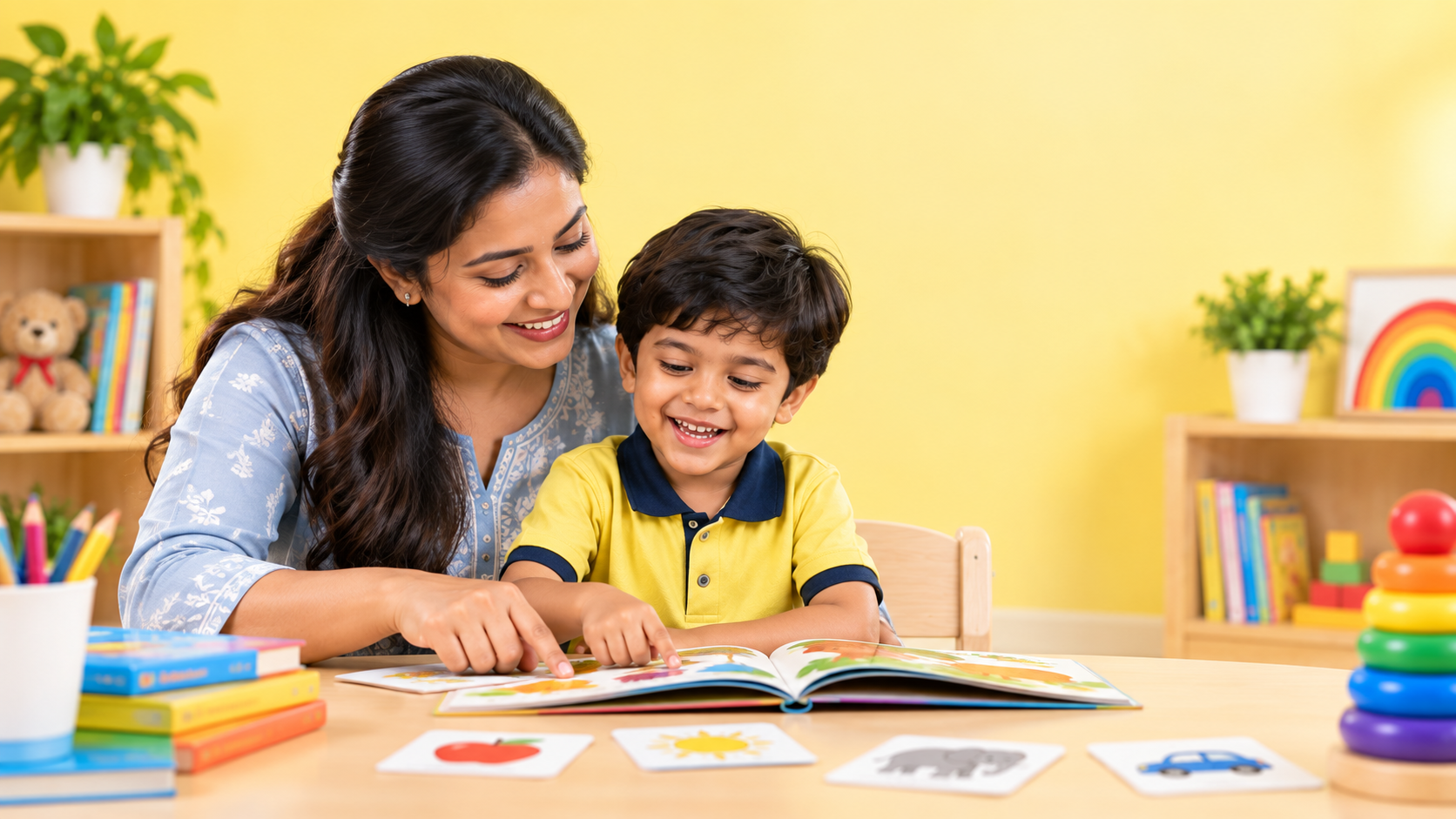
Teachers have a major influence on a child's preschool experience. Young children benefit from educators who are patient, caring, and able to understand their individual needs.
During a school visit, observe how teachers communicate with children. Do they listen patiently? Do they encourage children to ask questions? Do they help children participate without putting unnecessary pressure on them?
It is also worth asking about teachers' qualifications, early childhood education training, and classroom experience.
A supportive teacher helps children build confidence, develop communication skills, and become more comfortable in a group learning environment.
4. Understand the Importance of Play-Based Learning
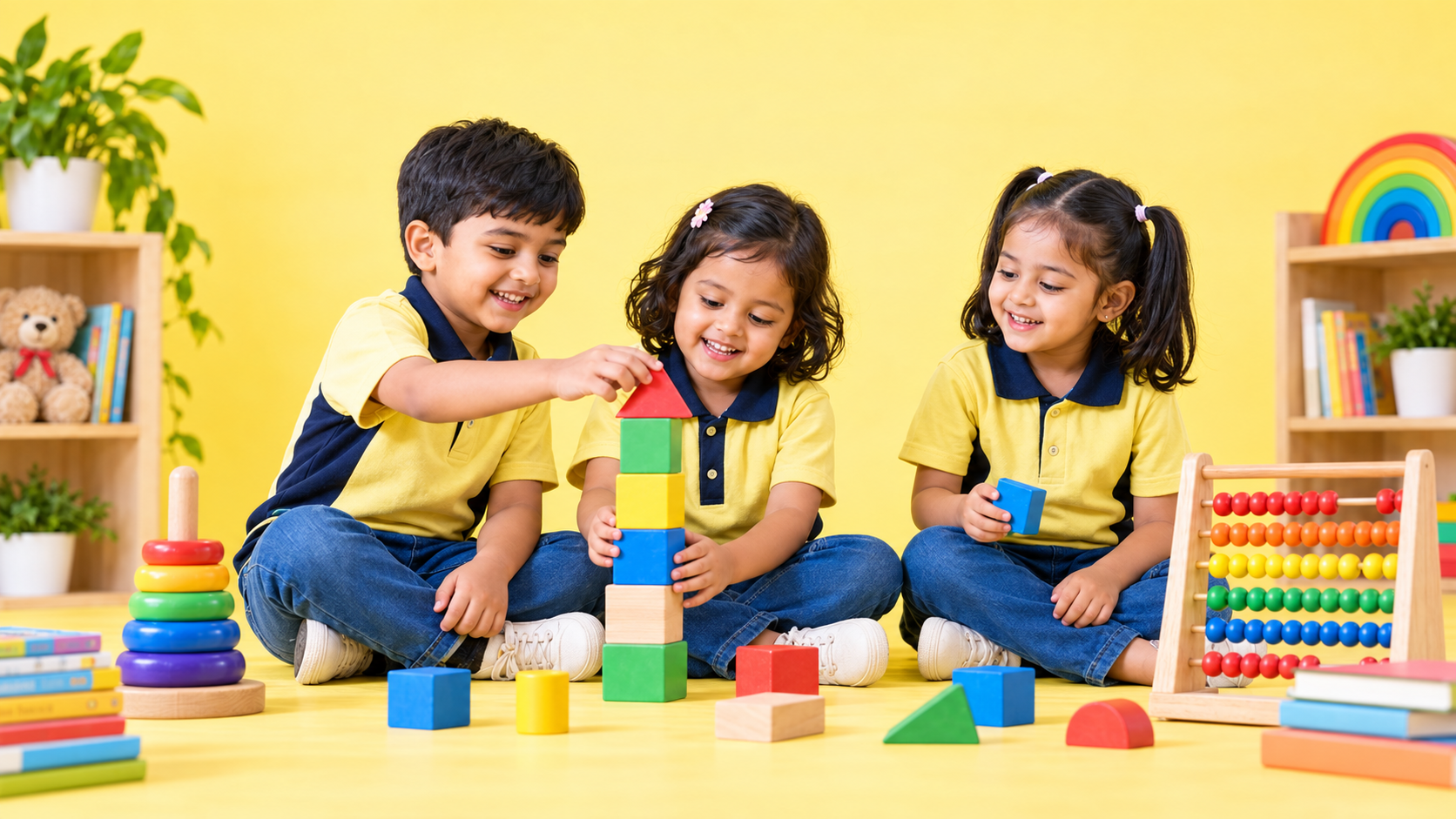
Children learn through many everyday experiences, including playing, exploring, listening, building, drawing, and interacting with others. Play-based learning allows children to develop skills while enjoying meaningful activities.
For example, building blocks can introduce basic mathematical concepts, storytelling can support language development, and group games can help children learn cooperation and sharing.
When comparing a Preschool in Kathmandu, ask how often children participate in creative activities and whether they have opportunities for indoor and outdoor play.
A balanced learning approach should encourage curiosity and creativity while introducing children to age-appropriate academic concepts.
5. Check Classroom Size and Individual Attention
Every child learns at a different pace. Some children quickly join group activities, while others need more time to feel comfortable in a new environment.
Ask about the number of children in each classroom and how many teachers or assistants supervise them. A manageable class size can help teachers understand children's needs and provide appropriate support.
Parents should also ask how the school supports children who need additional help with communication, classroom participation, or adjusting to a new routine.
The goal is to find a learning environment where children receive attention, encouragement, and opportunities to participate.
6. Consider Location and Daily Travel
Kathmandu's traffic can make daily school journeys challenging for families. Choosing a preschool near home or a parent's workplace may help reduce travel time and make the daily routine easier.
Consider the distance, transport options, drop-off and pickup arrangements, and the time your child will spend travelling.
If the school provides transportation, ask about supervision during the journey and the procedures for handing children over to authorised adults.
A convenient location is helpful, but it should not be the only reason for selecting a school. Safety, teaching quality, curriculum, and your child's comfort remain important considerations.
7. Review Fees and Available Facilities
Preschool fees can vary depending on the location, facilities, curriculum, class size, and services offered. Before enrolling your child, request a complete fee structure.
Ask whether the quoted amount includes admission charges, monthly tuition, learning materials, meals, uniforms, transportation, and extracurricular activities.
You should also check the facilities available to children, including classrooms, toilets, drinking water, play areas, and spaces for creative activities.
Comparing the total cost and the learning environment of different schools can help you make an informed decision that suits your family's budget.
8. Look at Social and Emotional Development
Preschool is not only about learning letters and numbers. It is also an important time for children to develop confidence, independence, communication, and relationships with others.
A supportive preschool helps children learn how to share, take turns, express their feelings, and work with classmates. Teachers should guide children with patience and encourage positive behaviour.
When visiting a school, observe whether children have opportunities to work together, take part in group activities, and explore their interests.
A strong early learning programme should support the whole child, including physical, cognitive, social, and emotional development.
9. Check Parent-Teacher Communication
Good communication between parents and teachers helps families understand their child's progress and daily experiences.
Ask how the school shares updates, arranges parent-teacher meetings, and communicates any concerns. Find out whether parents receive information about learning progress, classroom participation, and areas where their child may need support.
A school that welcomes questions and provides clear information can help parents feel more involved in their child's education.
10. Visit the Preschool Before Making a Decision
A website, brochure, or recommendation can help you create a shortlist, but visiting the school gives you a better understanding of the environment.
During your visit, observe the classrooms, teaching methods, learning materials, play areas, and interactions between teachers and children. Ask questions about the curriculum, safety policies, daily routine, and communication with parents.
If possible, bring your child along. Notice how they respond to the surroundings and whether the teachers make an effort to help them feel welcome.
Comparing two or three schools can help you understand which environment best suits your child's needs.
Questions to Ask Before Choosing a Preschool
Before making your final decision, consider asking:
- What curriculum and teaching methods does the school follow?
- What qualifications and training do the teachers have?
- How does the school maintain children's safety?
- How much time is allocated to play and creative activities?
- How are children's learning progress and development assessed?
- How does the school help children adjust during their first weeks?
- What is included in the total fee structure?
- How frequently do teachers communicate with parents?
The answers can help you compare schools and make a more confident choice.
How Early Genius Supports Early Childhood Learning
Early Genius offers an integrated learning solution for the preschool and early childhood development stages. Developed by LCCI Global Qualifications in collaboration with Oxford Advantage, the programme focuses on holistic child development.
A well-planned early learning curriculum can help schools create meaningful learning experiences that support children's development across different areas. When evaluating a preschool, parents can ask how the curriculum supports creativity, communication, problem-solving, social interaction, and age-appropriate learning.
Schools interested in curriculum solutions can explore Early Genius to learn more about its programme and approach to early childhood education.
Conclusion
Choosing the right preschool requires careful consideration of the learning environment, curriculum, teachers, safety, fees, location, and communication with parents. The best choice is not necessarily the school with the biggest building or the most facilities. It is the school that understands children's developmental needs and creates a supportive environment for learning.
If you are comparing options for a Preschool in Kathmandu, visit the schools, ask questions, and consider how each one supports your child's growth and well-being. A thoughtful decision can help your child begin their educational journey with confidence, curiosity, and a positive attitude toward learning.
Frequently Asked Questions
What should parents look for when choosing a preschool in Kathmandu?
Parents should consider safety, teacher qualifications, curriculum, classroom size, play-based learning, hygiene, fees, location, and communication with teachers.
Why is the preschool curriculum important?
A suitable curriculum supports early language, mathematics, creativity, physical development, social skills, and emotional growth through age-appropriate learning experiences.
Is play-based learning important for preschool children?
Yes. Play-based learning gives children opportunities to explore, communicate, solve simple problems, develop creativity, and interact with others.
How can parents compare preschool fees in Kathmandu?
Request a complete fee breakdown from each school, including admission, tuition, learning materials, meals, uniforms, transportation, and other additional charges.